Dimraeth Four Documented Starter Plans
Vanguard first, Human Magician second, then two hybrids with honest tradeoffs.
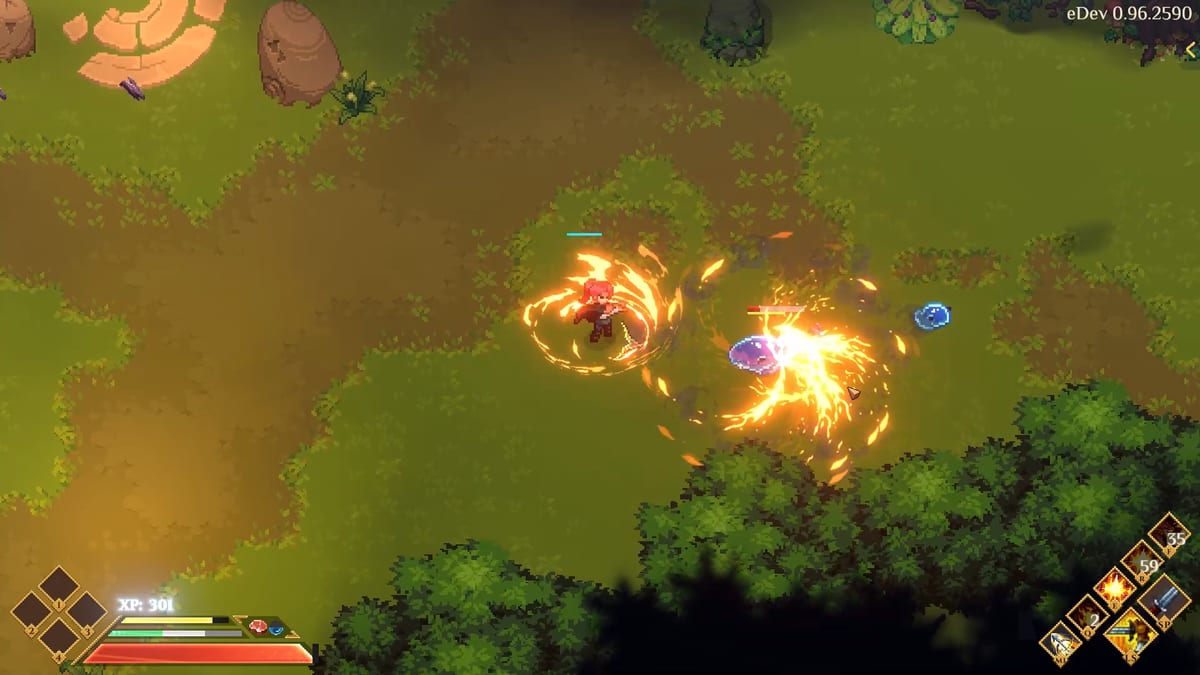
These plans are for Dimraeth’s Steam Early Access on 15 September 2026. They use only confirmed pairs. They are not a live meta and they are not a 48-archetype cookbook. If a race or class is unnamed, it is not in this article.
Read the letter grades on the tier list hub first, then come back here for the session plan. The rules behind a pair sit on archetypes. Racial kits are on races; class loops are on classes. Spend a few minutes in character creation and the archetype planner before you commit XP. Combat meters — stamina, Concentration, poise, stun, and Final Attack on the third hit — are unpacked in the combat guide.
Plan 1 — Minotaur Brawler (Vanguard)
This is the default first character if you have never played a stamina-and-telegraph ARPG.
Identity. Minotaurs are 7–10 foot frontliners from the Boulder Fel Barons. They keep a heavy axe even if you later pick a more ranged class. Brawler is close combat, grapples, light armor, and stamina. Together they are the Vanguard archetype (combat-week notes also call the combo Horned Vanguard).
Attribute rule. Level Strength. Vanguard gains bonus stamina whenever Strength goes up. Other archetypes do not. Do not spend early XP on expensive off-stats; Mudtek is explicit that off-stat shopping shrinks your total points at cap.
Combat loop.
- Walk in with the axe. Respect enemy telegraphs; every swing is a commitment.
- Spend stamina on attacks, grapples, dodges, blocks, and parries — not on panic rolling.
- Land basics so the third hit can fire a Final Attack. A documented Brawler keystone can convert those basics to Blunt, which fills hidden stun build-up fastest.
- Use racial earth tools — charge and quake — to start fights or catch runners, not as a substitute for the three-hit chain.
- Keep five spells slotted, but treat them as committed tools around the axe, not a second class.
First session. Lost Caverns into Earlwood Village is the published starter region. Your job is to arrive with poise unbroken and a stun habit, not to theorycraft a 500-node tree. Talk to Earlwood NPCs when you can do it without emptying stamina in the doorway.
Why it is S for beginners. The kit is published, the passive is published, and the race does not fight the class. You learn Souls-lite combat on a body that wants to be in front.
Plan 2 — Human Magician
This is the default first caster if you want elemental combat without pretending Dimraeth is a turret game.
Identity. Humans are the most populous people in Mirkea and the documented adaptable race. Their racial kit swaps sword and crossbow mid-fight. Magician wields fire, ice, and lightning blended with weapon strikes. You are not a staff Fairy; you are a weapon fighter who weaves spells.
Attribute rule. Follow the pair’s cheap stats. Humans are not the published “Strength is expensive” example — that example is Fairy Magician versus Minotaur Brawler — but the same law applies: off-stat XP lowers your cap. Do not buy Strength “just in case” on a Magician unless the tree in front of you asks for it.
Combat loop.
- Keep a five-spell bar. Press, hold-to-charge, and channel spells all exist; some store extra charges. You will not use 300 spells at once.
- In combat, Concentration returns when basic attacks land. Hit, spend, hit again. Standing still to dump the bar is how you eat a telegraph.
- Seed stacks. Magician fire, ice, and lightning are the cleanest documented path into Burning and Chill. Later modifiers can consume those stacks; do not invent a combo that is not on a node you can see.
- Swap sword and crossbow when the room asks for range, then step back in so the third hit still exists. Final Attack is a third hit, not a third spell.
First session. Same starter region. Your job is to leave Earlwood knowing that Magician is a weave, not a turret, and that Humans stay armed.
Why it is A. The pair is documented and teaches the second resource (Concentration) without fighting the racial weapon. It is slightly less “catch me if I mis-time a dodge” than Vanguard.
Plan 3 — Human Brawler (optional)
Take this if you like Human weapon swapping but want Brawler’s grapples and stamina instead of Magician’s elements.
What you gain. Close combat, light armor, and the Brawler instinct kit on a race that can swap to a crossbow when a room is awful. You still have five spell slots from race and class trees.
What you lose. You do not get Vanguard’s stamina-on-Strength. You do not get Magician’s published fire/ice/lightning weapon blends. Stun is still a system (poise, hidden build-up), but you are not on the documented Blunt-conversion example, which sits on Minotaur Brawler.
When to pick it. You already understand dodge timing and you want a Human who stays in melee. If this is your first Souls-lite, Plan 1 is kinder.
Plan 4 — Minotaur Magician (optional)
Take this if you want Minotaur size and axe on a Magician bar.
What you gain. You remain a heavy, axe-wielding frontliner — race is the base kit, not a costume. Magician adds elemental weapon strikes. Minotaur magic includes strength-scaling spells, so a caster Minotaur still leans on raw power instead of turning into a Fairy staff.
What you lose. Vanguard’s bonus stamina on Strength is a Brawler archetype passive. You will split stamina (axe, dodge, poise) and Concentration (spells that only refill off basics). That split is the whole point of the hybrid, and it is also why this is a second character, not a first.
When to pick it. You already cleared the starter region on Vanguard or Human Magician and you want to feel how Magician changes the same axe.
Shared rules for every plan
- Slot five spells. Race trees add a starting kit plus signature spells (Minotaur charge/quake, Human weapon swap). Class trees add another handful. World spellbooks and gear runes exist later; do not stall Earlwood hunting a universal book.
- Status is stacks: enemies take Burning, Chill, Poison, and Bleeding; you can take buffs such as Rage, Kindled, and Inoculation. Consume stacks only when a node says so.
- Off-stat XP is a trap. Fairy Strength is the published expensive example; treat every pair as if the same math applies.
- Co-op is 1–8 drop-in. Your hero travels; world story stays put. Two documented kits (Vanguard stun plus Human Magician elements) beat four copies of an unnamed guess.
When you finish a first session, do not reread this page as a finished meta. Go back to the tier list hub only if you want the letters, or to archetypes if you want the third tree explained. The next honest step is a real fight in the combat guide, not a fifth respec.
Frequently Asked Questions
Quick answers for Dimraeth players.
Which starter should I pick if I have never played a Souls-lite?
Minotaur Brawler (Vanguard). It is the only pair with a named archetype, a Strength-to-stamina hook, and a documented Blunt path into stun. Human Magician is the next-kindest documented start.
Can a Minotaur Magician still fight on the front line?
Yes. Race is the base kit: a Minotaur stays a heavy axe frontliner even on Magician. You gain elemental weapon blends and strength-scaling spells, but you lose Vanguard's stamina-on-Strength passive.
Why does Human Brawler feel different from Minotaur Brawler?
Same class, different race kit. Humans swap sword and crossbow; Minotaurs keep the axe and Vanguard's stamina hook. Human Brawler is playable, not the documented stun specialist.
How many spells should I slot on day one?
Five. That is the combat loadout. Race and class trees feed that bar; 300-plus spells is the long pool, not your first Earlwood session.
Should I dump XP into off-stats to round out a hybrid?
No. Attribute XP cost is set by the race–class pair. Heavy off-stat spending leaves you with fewer total points at cap. Fairy Magician Strength is Mudtek's published expensive example.
Is this list for the live Early Access patch?
Not yet. Early Access is dated 15 September 2026. Treat these plans as demo-informed starts and replace them when Mudtek ships unnamed pairs.