Dimraeth Co-op for 1–8 Players
Your hero travels. The world stays put. That split is the whole design.
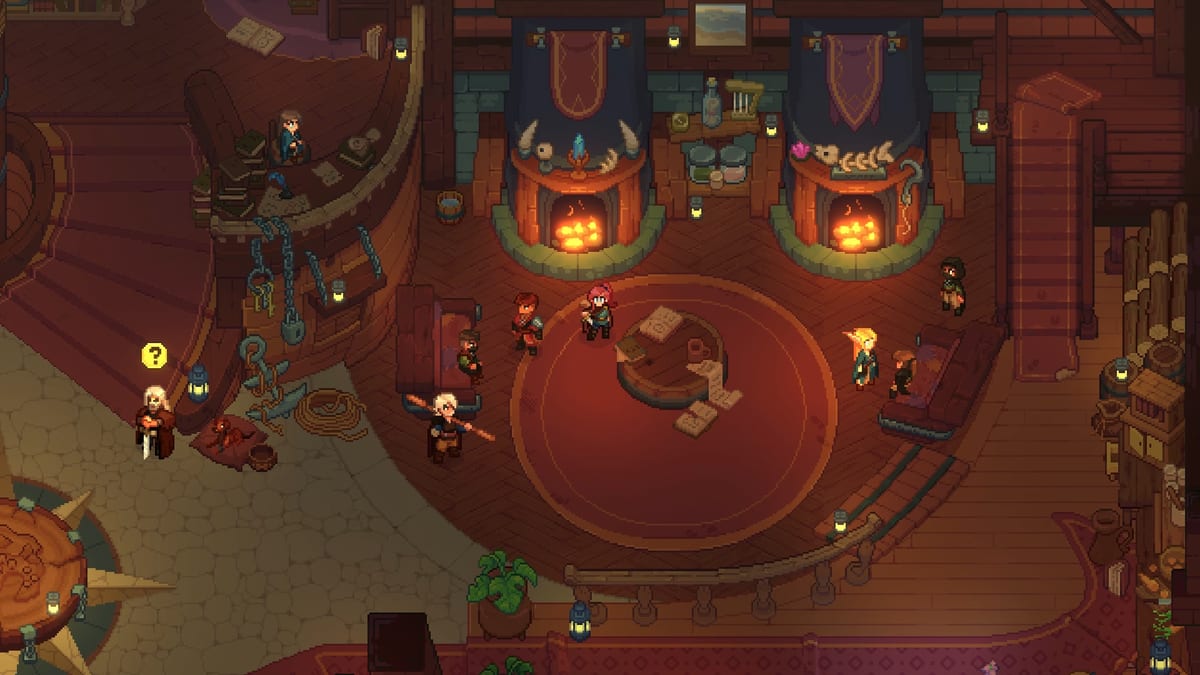
Dimraeth is a 1–8 player fantasy RPG with online drop-in/drop-out co-op. Solo is fully supported from the ritual to the last documented starter forest. It is not an MMO. You will not see hundreds of strangers in Earlwood. It is not local or split-screen. Couch co-op is not offered. Hosting is peer-to-peer: one player is the host; dedicated servers are not available. Steam Early Access is dated 15 September 2026. Playtests and a public demo (closed 15 July 2026) already ran this model.
If you only remember one sentence, remember split persistence. Your hero’s level, gear, spells, inventory, and personal progression travel between worlds. Story progress, recruited allies, and buildings remain tied to that world. Mudtek compares the feel to Valheim’s friend-group loop. You can miss a week, keep building your character in your own Mirkea, and drop into a friend’s Wildwood without being level-locked — and without dragging your farms into their save.
Read this with Getting Started, Stronghold Building, Combat Systems, and Character Creation. Different archetypes in one session is the point of 48 pairings at 1.0; eight identical Minotaur Brawlers is a meme, not a plan.
What travels, what does not
Travels with you: hero level, equipment, inventory, spells, attribute spend, skill-tree progress, the five-spell loadout.
Stays in the world: main-story flags, Deeds you turned in there, recruited NPCs, romance progress with those NPCs, stronghold buildings, farms, quarries, and shop expansions you funded.
That split is why you should pick a “home world” on purpose. If you recruit Manga in a friend’s Earlwood, he is their blacksmith. If you romance someone in a pickup host’s save, that bond does not follow you home. If you care about Faustas’s base as a long project, host yourself or agree that one friend is the world’s owner.
Hosting
One player starts the session. Everyone else drops in. There is no rented box in a datacenter to keep the lights on when the host logs off. When the host leaves, that world is not a public shard waiting for you. Plan evenings around who actually owns the story.
Put the host on the steadiest connection and the machine closest to the group. P2P means the host’s upload and CPU are the server. Eight players in a boss arena with particle-heavy Magician kits will hurt a weak host more than a solo Lost Caverns run. Check system requirements before you volunteer to host eight.
Steam Cloud is listed on the store page for the product; it does not turn Dimraeth into an always-on dedicated world. Do not confuse cloud saves with a server you can rent.
Finding people
If you do not have a standing group, Mudtek points you at the Dimraeth Discord. Use looking-for-group for parties. Use #bug-reports for bugs, with steps, region, and a screenshot if you can. This wiki will not invent extra channel names.
Bring a finished character and a five-spell bar you can play on controls you already tested. Pickup groups do not owe you a respec lecture in the caverns.
Combat in a crowd
Souls-lite commitment still applies when seven people are shouting. Combat does not get a free pass because someone else is tanking. Stamina is still yours. Concentration still wants your basic attacks. Stun still wants Blunt. If eight people dump nukes on pull, you will not see the telegraph you needed to learn for solo.
Agree on roles loosely: who holds frontline (Minotaur Brawler Vanguard is the documented stamina-on-Strength example), who converts status (Human Magician example that turns existing fire into nukes), who actually cooks and crafts when you return. Bounties are a better pickup activity than a story Deed you might not want to consume in a stranger’s world.
Etiquette that saves friendships
- Ask whose world you are in before you turn in a story Deed.
- Do not dismantle farms you did not build.
- Drop out if your connection is the stutter; P2P has no magic anti-lag node.
- Keep loot rules simple: need before greed on spellbooks you can actually equip.
- File bugs in #bug-reports instead of arguing in looking-for-group.
What co-op is not
It is not an MMO raid finder. It is not a dedicated-server sandbox. It is not split-screen. It is not a reason to skip Boss Fights practice — Monstrous Droop and the Corrupted Treant still have telegraphs when friends are present. It is not a way to duplicate world-tied romances across every save.
The playtest video on this page is for the feel of drop-in isometric combat with other people in frame. Use it to decide whether you want to host or join. Then pick a home world and treat other worlds as visits. That is how split persistence stays a feature instead of a way to lose Manga, Myrll, and a week’s farms because you logged into the wrong Earlwood. Hosting questions that are really beginner questions still belong on the Guides Hub.
Frequently Asked Questions
Quick answers for Dimraeth players.
Is Dimraeth an MMO?
No. Sessions cap at eight players. You will not see hundreds of random people in Mirkea. It is a co-op RPG with optional solo play.
Is there split-screen or local co-op?
Not at this time. Co-op is online only. Keyboard, mouse, and gamepad are input options for one player at a machine, not two players on one screen.
Can I host a dedicated server?
No. Dimraeth uses peer-to-peer hosting. One player is the host. Dedicated or rented private servers are not offered.
What is split persistence?
Your hero (level, gear, spells, inventory) travels. Story flags, recruited NPCs, and buildings stay in that world. Missing a session does not delete your character.
Where do I find a group?
Mudtek's Discord (discord.gg/dimraeth) looking-for-group channel. Do not expect an MMO-style public matchmaker.
Can I play the whole game solo?
Yes. Solo is fully supported. Co-op is drop-in, not a requirement to see Lost Caverns, Earlwood, or Wildwood.